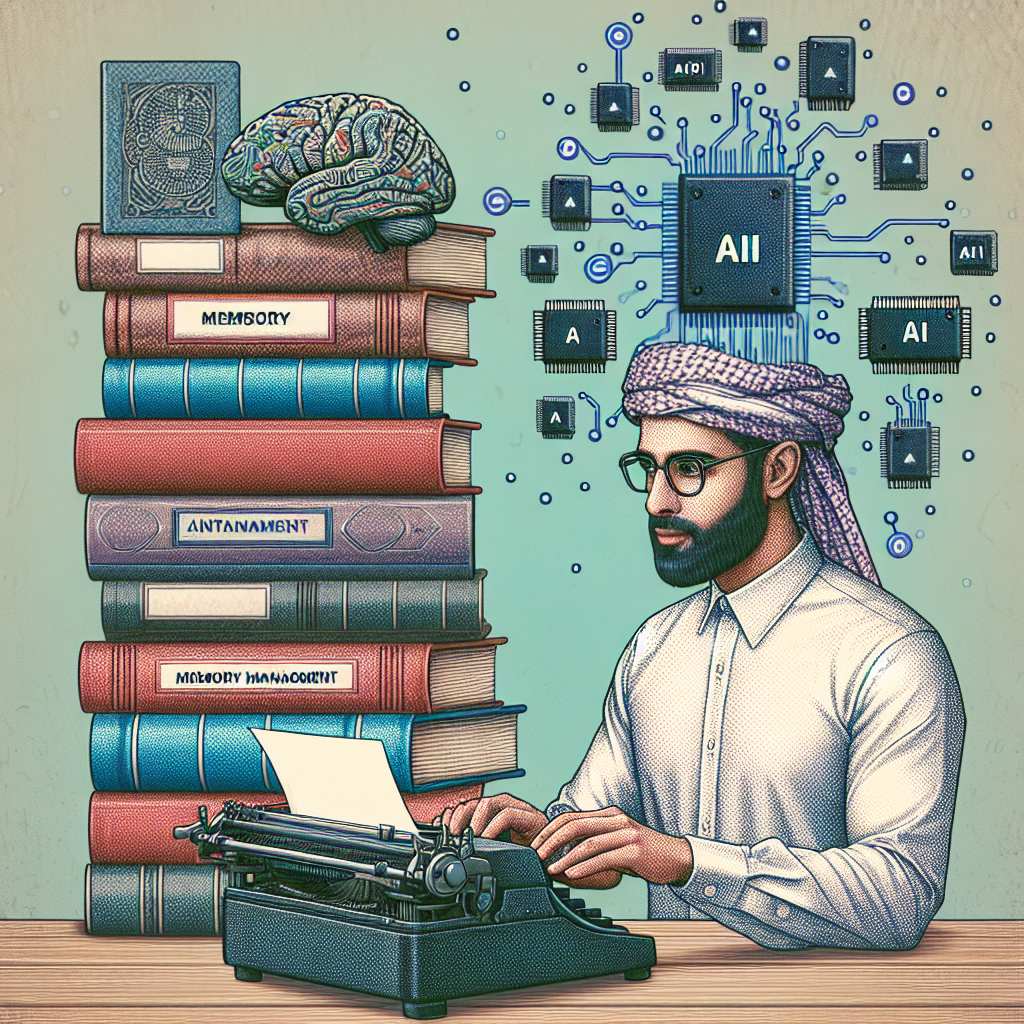
AI Memory Management for Authors: Optimize Your Writing Workflow

Understanding Memory Management: A Game-Changer for Authors
When I first started writing, I had this overwhelming urge to jot down every idea that popped into my head. This excitement turned into chaos as my documents filled with half-finished chapters, random thoughts, and snippets of dialogue. It felt as if my brain was a crowded café, buzzing with too many conversations at once. I soon learned that optimizing my memory—both mental and digital—was crucial for my writing workflow. Let me share how effective memory management can transform your writing process.
Embracing the Chaos: The Importance of Memory Management
Memory management isn’t just a tech term reserved for computer scientists; it’s a vital tool for authors navigating their creative journeys. Think of memory as your writing bank. If it’s cluttered, good luck finding that one brilliant idea you had about a character or a plot twist. Studies have shown that mental clutter can lead to decreased productivity and creativity. A clear mind equates to clearer writing.
Organizing Your Thoughts
Consider a time when you were hit with a flood of inspiration—maybe you were in the shower or on a walk. You needed to capture those ideas immediately! But when you finally sat down to write, all you could remember were a few vague impressions. Instead of struggling to remember what you envisioned, build a habit of storing your thoughts effectively. Using apps like Evernote or Notion, you can organize your ideas into categories. Create folders for different projects or themes, and keep them well-labeled. This system has worked wonders for me. I make it a point to jot down my thoughts in real time, so I’m not left scrambling to piece them together later.
Utilizing Digital Tools for Efficiency
Now, let’s dive deeper into how technology can serve your memory management. There’s a plethora of apps designed for writers that not only help you draft your work but also keep your ideas organized. Scrivener, for instance, allows you to structure long pieces of writing effortlessly, keeping your research, notes, and chapters in one place. I remember when I started using it for my novel; it felt like finally having a personal assistant who kept everything in check. It’s just like your favorite kitchen gadget that simplifies meal prep—making writing smoother and less stressful.
Mind Mapping: Visualizing Connections
Mind mapping is another tool that’s helped many writers connect disparate ideas and concepts. When I hit a wall, I often grab a piece of paper and start jotting down my central idea in the middle, branching out with everything that relates to it. This visual representation of thoughts can spark new ideas and reveal connections you hadn’t noticed. Plus, it’s a great way to step back from the screen and think outside of the box. It’s an energizing shift from mere writing to active brainstorming.
Building a Routine to Boost Memory Retention
Memory isn’t just about storage; it’s also about retrieval. Establishing a writing routine can sharpen your focus and improve how you recall ideas. Dedicate specific times for writing—your mind adapts to these patterns, making it easier to generate creative flow. I’ve found that writing first thing in the morning, with a steaming cup of coffee, primes my brain for the day’s creative challenges. Just like exercising strengthens your muscles, a regular writing schedule fortifies your creative memory.
Reflecting and Reviewing
Another crucial element is reflection. Set aside time to review your notes and unfinished pieces. This practice not only reinforces what you’ve already thought about but also inspires new ideas. Making notes in a journal after each writing session can help solidify those thoughts in your memory. It’s akin to a musician rehearsing their pieces—the more you reflect and revisit, the more fluent and natural your creativity becomes.
Final Thoughts on Memory Management for Writers
In the ever-evolving landscape of storytelling, effective memory management can feel like your secret weapon. By harnessing both mental and digital tools, you’re not just collecting ideas; you’re nurturing your creativity. Think of your memory as a well-tended garden; the more you cultivate and care for it, the more vibrant your writing will be. Embrace the strategies that work for you, and watch your writing workflow bloom.