Multi-Modal AI Explained: Combining Text, Images & Audio for Smarter Content

Understanding Multi-Modal AI: The Future of Content Creation
Picture this: you’re scrolling through your social media feed, and suddenly a post catches your eye. It’s not just a block of text; there’s a stunning image that illustrates the message, and perhaps even a short audio clip that brings it to life. This blend of text, visuals, and sound isn’t just effective storytelling—it’s a practical application of multi-modal AI, a technology that’s reshaping the way we create and consume content.
The Beauty of Blending Different Modes
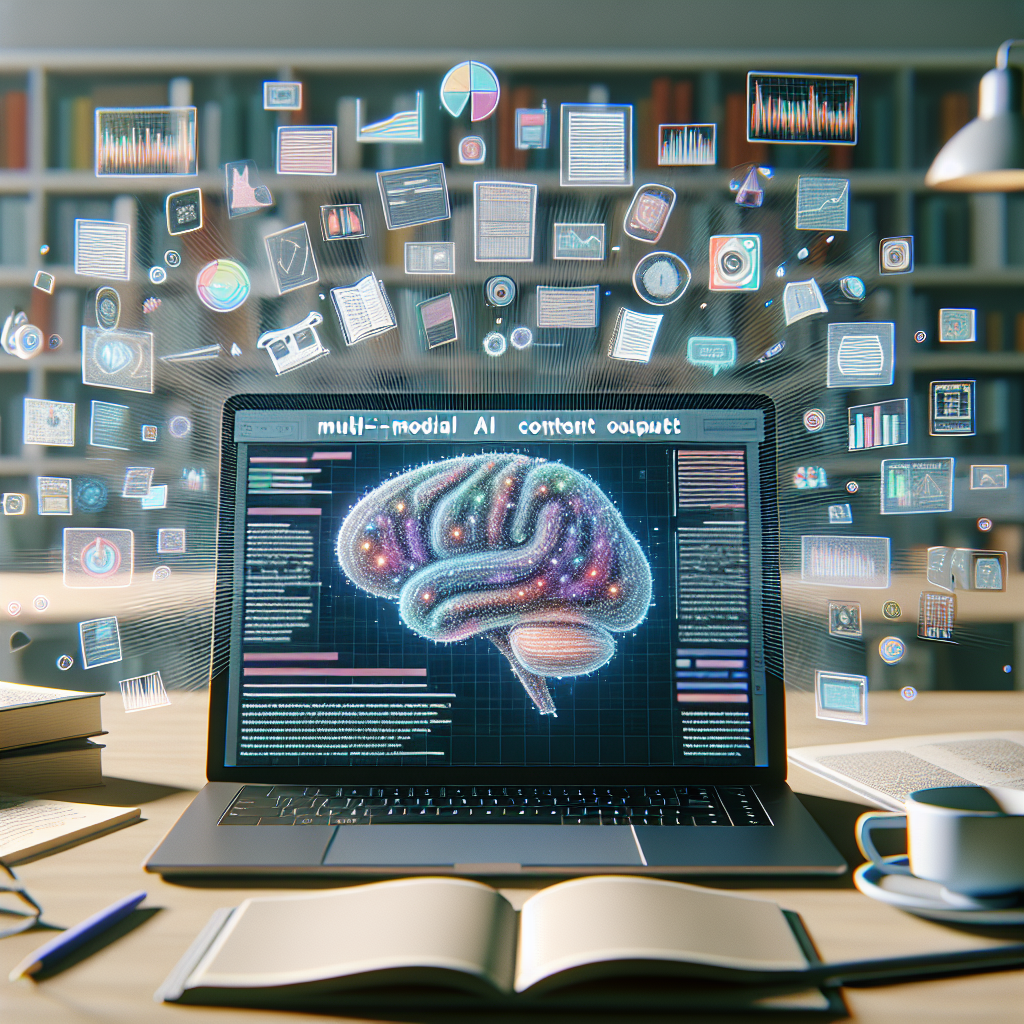
Multi-modal AI brings together various forms of media—text, images, and audio—into a seamless experience. For instance, consider how educational platforms like Khan Academy are utilizing this technology. They combine instructional videos with interactive exercises and written content, enhancing the learning experience by catering to diverse learning styles. By leveraging multi-modal capabilities, they’re able to engage students far more effectively than traditional methods.
Let’s think about a personal experience I had while trying to learn a new language. I found myself overwhelmed by endless grammar rules in textbooks. Then I stumbled upon an app that used multi-modal AI to integrate spoken language practice, visual aids, and text explanations. Suddenly, the information wasn’t just a reminder of school—it was enjoyable, and I felt like I was really learning. That’s the magic of multi-modal AI, pulling you in and making you a participant in the learning journey.
How It Works: The Technology Behind the Scenes
At its core, multi-modal AI relies on deep learning algorithms that process and interpret different types of input. Think of it as a well-orchestrated concert where each instrument plays its part, contributing to a rich harmony. Large datasets that include images, text, and audio train these AIs. For example, OpenAI’s DALL-E uses image and text inputs to generate new images based on descriptive prompts. Similarly, technologies like Google’s BERT use multi-modal inputs to understand context, enhancing their search capabilities.
Case Study: Creative Marketing Campaigns
Let’s take a look at how brands are starting to incorporate multi-modal AI into their marketing strategies. In a recent campaign, an innovative beverage company combined stunning visuals, catchy music, and engaging narratives to launch a new product. They utilized AI to analyze what types of images and sounds resonated most with their audience. By tailoring content that spoke to different senses, they saw a notable increase in engagement and sales. This isn’t just about flash; it’s a calculated approach to connect with consumers on multiple levels.
Exploring the Ethical Dimensions
But it’s not all roses. As with any powerful technology, there are ethical implications. The blending of multimedia can sometimes distort reality. Consider deepfakes—videos that superimpose existing images and sounds onto source images or videos—an extreme but pertinent example. Ensure that as we harness the creativity and potential of multi-modal AI, we stay vigilant about the authenticity of the content we’re consuming and sharing. Maintaining transparency will be crucial as we navigate these exciting, albeit complex, waters.
The Road Ahead: Where Do We Go From Here?
The future of multi-modal AI is bright, promising innovations that could redefine entire industries. Imagine virtual reality experiences that provide immersive training environments, combining expert narration with visual simulations. Or perhaps customer service that combines voice recognition, chat, and visual support to provide timely and efficient assistance. The possibilities are vast.
As professionals and creators, staying ahead of the curve means embracing these changes, asking how we can use these tools to enhance our storytelling and engagement without sacrificing authenticity. It’s a challenge, but also an invitation to rethink and refine how we communicate.
Multi-modal AI is not just a trend; it’s a transformative leap forward, bridging gaps between different forms of expression. The key lies in understanding its potential and navigating its complexities with both creativity and care.