AI-Powered Fact-Checking for Fiction Writers: Ensure Accuracy & Believability in Your Story

Understanding the Importance of Fact-Checking in Fiction
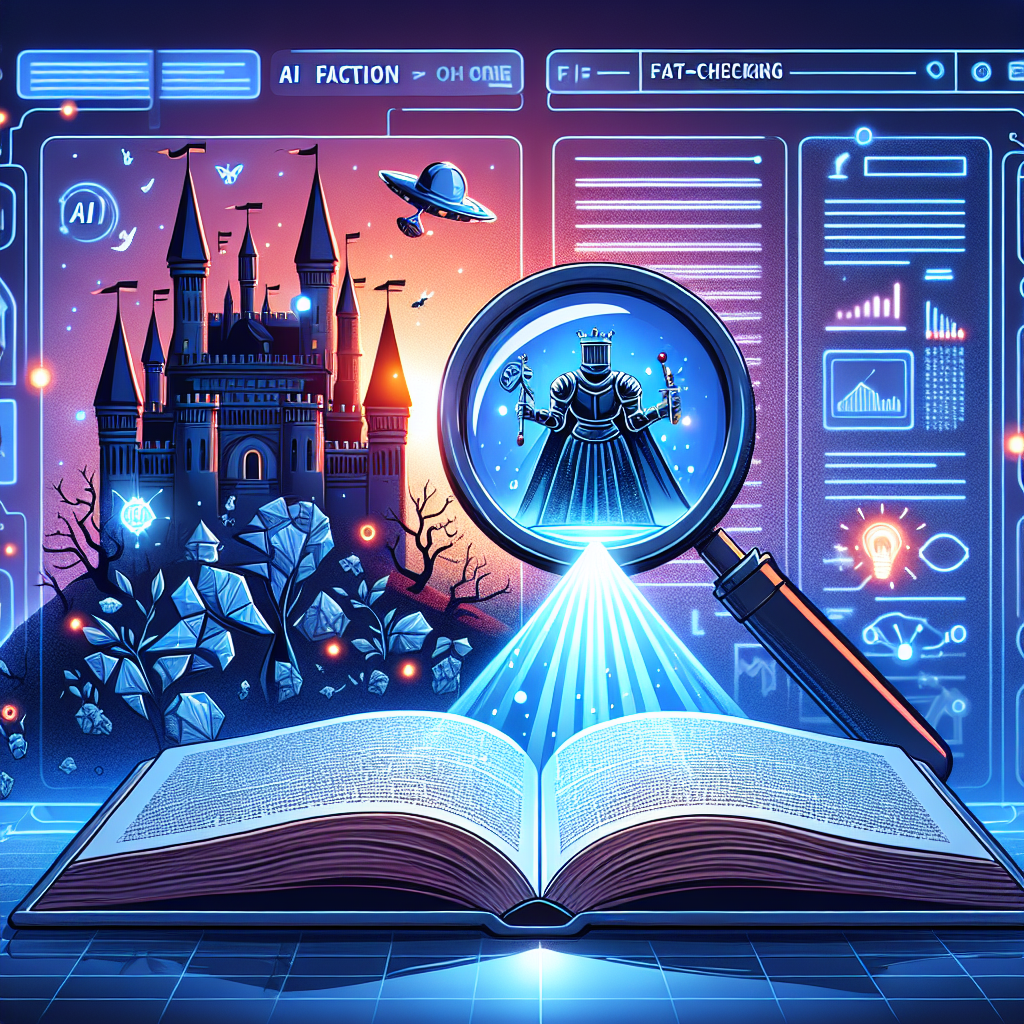
When crafting a story, whether set in a fantastical realm or a familiar suburb, it’s easy to let imagination run wild. Yet, as appealing as creative freedom can be, grounding your tale in reality makes it more relatable and immersive. Picture this: a writer decided to set their fantasy novel in a town that supposedly existed during medieval times. Problem is, they named it after a place founded in the 1800s. Readers who spot that inconsistency aren’t just going to roll their eyes—they might close the book altogether. That’s where the magic of fact-checking comes in.
The Role of AI in Modern Fiction Writing
Artificial intelligence isn’t just for tech geeks anymore; it’s making waves in the world of literature, offering writers tools to verify facts with ease. But how does this work? AI-powered platforms scan vast databases, extracting relevant information in seconds—an invaluable resource for any author facing a deadline. Imagine you’re penning a mystery novel and need to reference a criminal psychology principle. Instead of diving down a rabbit hole of research, you can ask an AI tool to deliver quick insights. This helps maintain not only the authenticity of the narrative but also ensures reader engagement.
Bringing Believability to Your Narrative
Let’s look at a recent example from a popular historical fiction novel that became a bestseller. The author depicted a significant event inaccurately, prompting pushback from history buffs. While critical acclaim often surrounds such works, factual inaccuracies can diminish the story’s overall impact, discouraging a segment of potential readers. Readers crave authenticity, and a credible story enhances their connection to the characters and plot.
Beyond Basic Research: Deep Dives into Context
Using AI tools for factual verification doesn’t just stop at surface-level inquiries. Authors should engage in deeper research to explore context and nuances behind facts. For instance, if you’re writing a narrative set during World War II, understanding the socio-political climate of that era is crucial. It’s not enough just to have dates and events; you need to grasp the far-reaching consequences of those events. AI can assist in identifying relevant documents, expert analyses, and even personal accounts, giving your writing a richer backdrop.
Tapping into Personal Narratives
There’s also something invaluable in weaving personal experiences into your narrative. I recall sharing a story set in my hometown, infused with locations that shaped my youth. To give the setting authenticity, I cross-referenced historical documents with local library archives, augmented by AI-driven databases. This combination made my fictional version of the town resonate with both familiarity and novelty. Readers appreciated the detailed portrayal, often remarking on specific locations that rang true to their own experiences. That blend of reality with imagination creates a narrative blend that’s hard to resist.
Best Practices for AI-Powered Fact-Checking
Here’s a quick rundown of some strategies for effectively integrating AI in your fact-checking process:
- Choose Reliable Tools: Not all AI-powered platforms are created equal. Research and select those that have established credibility in the literary field.
- Verify Multiple Sources: Use AI to gather diverse viewpoints but don’t stop there. Always cross-check facts across several reputable sources.
- Stay Curious: Prompt AI for deeper insights instead of just surface-level facts. Ask follow-up questions that can unveil further layers.
Final Thoughts on Merging Creativity with Accuracy
In a world where information is at our fingertips, it’s essential for fiction writers to harness the power of AI for fact-checking without losing the essence of their creative spirit. Stories infused with genuine detail and accuracy not only captivate readers but also foster trust. So, while you’re spinning your next tale, remember: a touch of reality paired with imagination can create worlds readers can’t wait to explore.