Best AI Tech Stack 2026: Top Tools, Frameworks & Platforms

The Evolution of AI Tech Stacks
As we step into 2026, the landscape of technology is continuously morphing, particularly in the realm of artificial intelligence. Think back to just a few years ago, when AI tools were largely academic, with only tech-savvy developers tending to them. Now, the playing field is wide open, and it’s hard to keep track of the innovative tools and frameworks being churned out like hotcakes. Some of these advancements are not only about better algorithms but also about making AI more accessible for creators of all backgrounds.
Why Your Tech Stack Matters
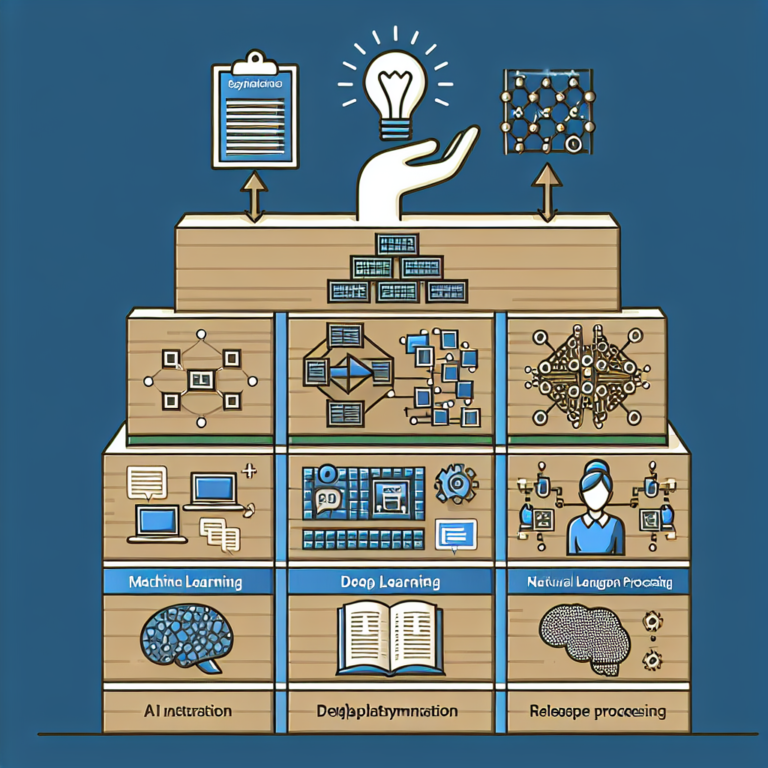
You might wonder why investing time in curating a robust tech stack is so crucial. Well, think of it as building a toolbox. If you’re hammering nails with a screwdriver, you’re not going to get far, right? A well-designed tech stack can facilitate seamless integration, make development smoother, and save your team from those late-night coding headaches. A personal experience comes to mind—last year, I collaborated on an AI project using an outdated stack. The result? Multiple revisions and a disappointing launch due to compatibility issues. That’s a lesson learned the hard way!
Top AI Tools for 2026
With the right tools, the future looks brighter than ever. Here are some of the most impactful options to consider:
TensorFlow 3.0
This open-source library has transformed machine learning. Version 3.0 aims to enhance efficiency, especially for complex neural networks. It supports a broad array of architectures, from smartphones to supercomputers—talk about versatility! Creators working on personalized AI projects can leverage its cutting-edge features for real-time data analysis.
Pytorch Lightning
If you’re serious about deep learning, this framework is a dream come true. It abstracts away much of the boilerplate code that can bog down developers. When a colleague and I jumped into a project involving computer vision, we realized setting up our training pipeline took a fraction of the time previously spent on manual configurations. The focus can be purely on optimization and creativity, which is what every developer craves.
Hugging Face
When it comes to natural language processing, this platform has become synonymous with state-of-the-art models. It democratizes access to advanced AI capabilities, enabling even those with less background in AI to experiment. In a group hackathon, we utilized Hugging Face’s transformers for sentiment analysis and were amazed at how quickly we could deploy a prototype. This kind of accessibility encourages more experimentation and innovation.
Kubernetes
As AI applications grow, so does the need for efficient orchestration. Kubernetes helps in managing containerized applications, ensuring they run smoothly across various environments. I remember attending a tech meet-up where a speaker highlighted a case study on how a startup scaled its machine learning models using Kubernetes. Their usage of automated scaling rules transformed their deployment strategy, allowing them to handle traffic spikes without a hitch.
Choosing the Right Frameworks
Combining tools effectively takes strategic thinking. It’s not one-size-fits-all; the best stack depends on your project’s unique requirements. For instance, if your focus is on computer vision, pairing TensorFlow with OpenCV could become a winning combination. Similarly, if you’re diving deep into analytics, Python’s Pandas library alongside your AI framework can offer that extra analytical edge.
The Future of Collaboration and Integration
Collaboration will truly define the next steps in AI development. Teams increasingly work cross-functionally, bringing together data scientists, software engineers, and domain experts. The emergence of platforms that welcome seamless integration among various tools can help these diverse groups function like a well-oiled machine. Take, for example, GitHub’s improvements in enabling collaborative projects—all in real-time. A feature like this means that feedback can be instantaneous and adjustments made on the fly, streamlining workflows.
Final Thoughts
As we look towards the extraordinary potential of AI, curating your tech stack is essential. Instead of jumping on the latest trend, focus on the tools that will evolve with you and your project. Here’s to embracing not just technology, but also the creativity and collaboration it fosters within teams. As you embark on your next project, a thoughtful approach to your tech stack can make all the difference, not only in efficiency but in outcomes as well.