AI Instruction Layering Strategy: Ultimate Guide to Optimize Model Accuracy & Performance

Understanding AI Instruction Layering
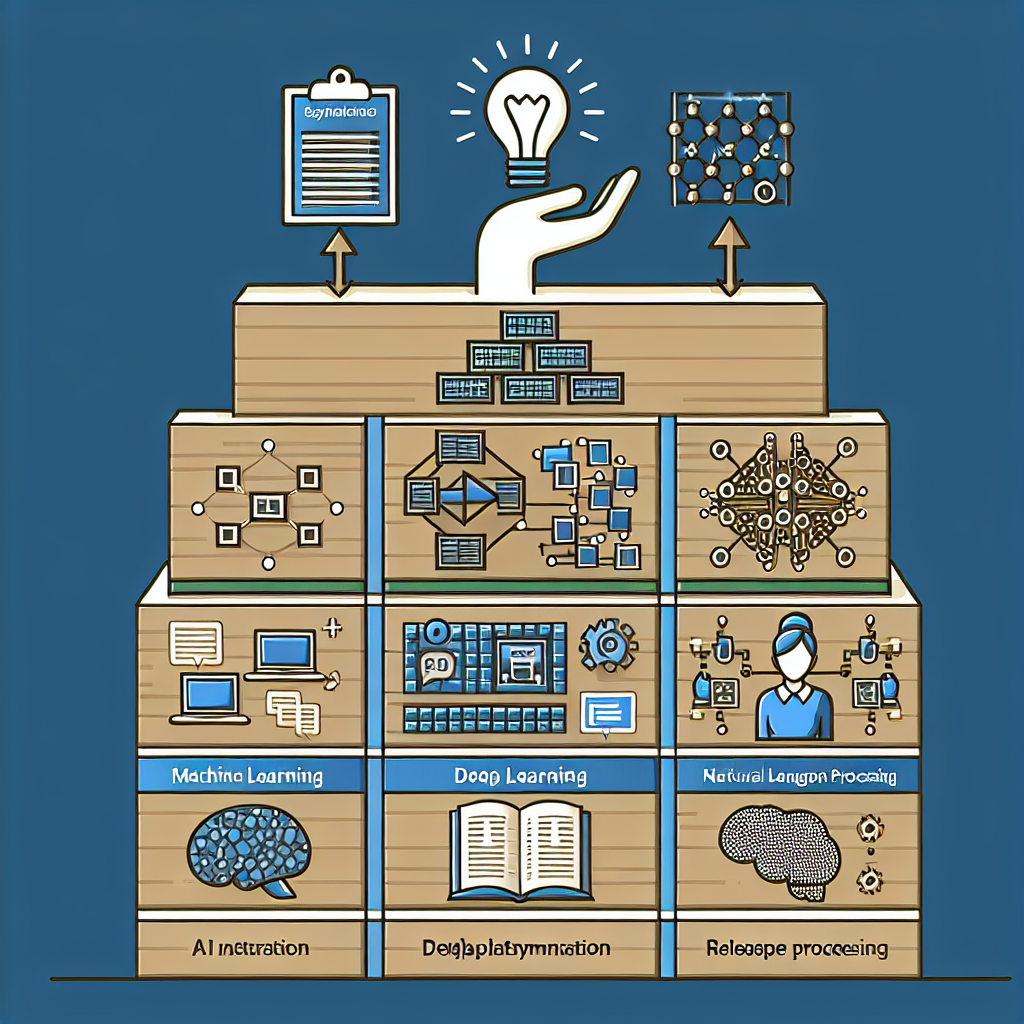
Ever tried stacking your favorite sandwiches with every topping in the fridge? It’s an art, balancing flavors without toppling over. Similarly, the concept of AI Instruction Layering involves stacking various model instructions to enhance performance—optimizing both accuracy and overall functionality. But how does this work? Let’s unravel the layers.
What is Instruction Layering?
Instruction Layering is akin to building a multi-tiered cake, where each layer serves a distinct purpose while contributing to the holistic taste. In AI, it refers to structuring your model with a series of sequential directives that guide it on how to process information more effectively. When implemented correctly, this technique helps address context, nuance, and complexity in data, leading to sharper, more reliable outputs.
The Need for Layering
Picture this: you enter a complex debate without any prep—just a few scattered ideas swirling in your mind. You might flounder. Now imagine having a structured outline to follow. Instruction Layering is your preparation, ensuring that the AI models tackle problems systematically instead of getting lost in a whirlwind of data.
Case Study: Improving Chatbot Accuracy
Take an AI-driven customer service chatbot. If only equipped with single-layered instructions, it could provide standard responses without context. However, by layering instructions based on previous customer interactions, feedback loops, and contextual language, the chatbot can fine-tune responses to individual queries, resulting in significantly improved accuracy. A real-world example? Companies like Zendesk have reported a marked increase in customer satisfaction scores after integrating layered instructional models into their chatbots.
Implementing Instruction Layering
Getting started with Instruction Layering isn’t as daunting as it seems. It begins with understanding the hierarchical needs of your AI model. Here’s the step-by-step breakdown:
1. Identify Goals
First off, clarify what you want your AI to achieve. Are you aiming for better data processing, enhanced user interaction, or improved predictive capabilities? This foundational step acts like setting the destination before you hit the road.
2. Organize Your Instructions
Think of layering instructions as organizing a bookshelf. Group similar tasks together but ensure each layer builds upon the previous one. For instance, start with basic information processing, then layer on context-sensitive directives, followed by predefined responses based on historical data.
3. Test and Iterate
No recipe is perfect on the first try, right? Once you’ve layered your instructions, it’s crucial to test the model. Analyze its accuracy against real-world data, and be prepared to tweak your layers. This iterative process ensures that your model evolves with the needs of its users, much like a gardener adjusts care according to the season.
Challenges in Layering and Solutions
Nothing’s ever smooth sailing in an AI journey. A significant challenge you might face is the risk of overcomplicating the model with too many layers. This might lead to diminished returns, causing it to underperform instead of excel. Keep it simple, but smart. Prioritize essential layers that resonate with your goals.
Addressing Complexity
Sometimes, less is more. If your model doesn’t deliver clear outcomes despite numerous layers, consider stripping it back to its essentials and re-evaluating which layers truly add value. This minimalist approach can be liberating and yield the clarity your AI fundamentally needs.
Real-World Examples of Successful Layering
Consider Google’s language processing algorithms. They’ve integrated Instruction Layering elegantly to improve understanding. Each layer processes information in context, allowing for more natural language interactions. The result? Enhanced user experience and higher engagement. When your AI understands context, it mirrors a human conversing—not a robot regurgitating facts.
Looking Ahead
As we dive deeper into complex data stacks and diverse AI applications, understanding the significance of Instruction Layering will be crucial. Whether you’re aiming for improvements in user chatbots, recommendation systems, or predictive text, this method provides a structured approach to elevate performance and accuracy.
As you’ve seen, layering isn’t just a buzzword; it’s a tangible strategy with real-world implications. Embrace it, innovate with it, and watch your AI’s capabilities flourish, turning it into a robust ally in your technology toolkit.