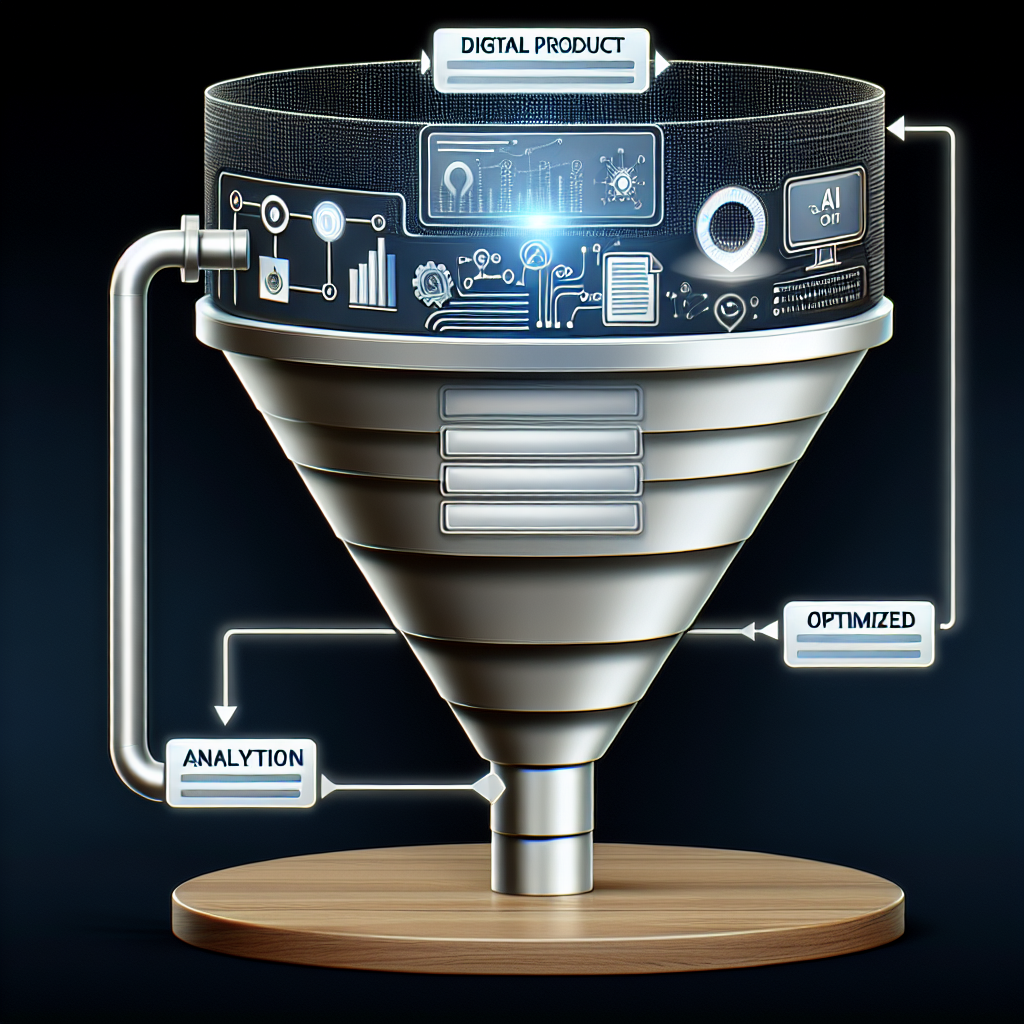
AI Digital Product Funnel: Automate Sales & Maximize Conversions

Understanding the Digital Product Funnel
If you’ve ever tried selling a digital product, you know it’s not just about throwing it out there and hoping for the best. You need a well-structured sales funnel that guides potential buyers from awareness to decision-making. Think of it as a carefully choreographed dance—each step leads to the next, and when done right, it’s a smooth and engaging experience for your audience.
The Anatomy of a Product Funnel
A digital product funnel consists of several stages, each with its own purpose. Typically, these stages include awareness, interest, decision, and action. It’s crucial to craft each part intentionally, so let’s break them down:
Awareness
This is where it all begins. You need to attract attention to your product. Content marketing, social media outreach, and SEO can all play a role here. For instance, I launched an online course about digital marketing strategies and started with a series of blog posts tackling common misconceptions. This not only drew traffic but also established credibility, encouraging more people to explore what I was offering.
Interest
Once potential customers are aware of your product, your task is to spark their interest. This is where engaging content like webinars, free guides, or case studies come in. Consider this stage as an invitation to deeper exploration. Last year, I offered a free e-book that highlighted real-life success stories from students who had taken my course, which helped demonstrate the value of my offering.
Decision
This is the tipping point where your prospects decide whether to commit. At this stage, testimonials, detailed product descriptions, and comparison charts can be your best friends. I made sure to include testimonials prominently on my sales page, showcasing how my course transformed lives. Seeing real people succeed made potential buyers more comfortable with their investment.
Action
Finally, you’re at the finish line. You want to make the purchase process as seamless as possible. A well-designed landing page with a clear call-to-action (CTA) can work wonders here. A/B testing different CTAs taught me that even minor tweaks—like changing the button color or wording—could significantly affect conversion rates. Don’t underestimate this step; it’s where interest turns into revenue.
Automating the Funnel
As your funnel matures, automation comes into play. It’s like having an efficient sales team working 24/7 without needing a lunch break. Tools like email marketing software can help you nurture leads through automated sequences. For example, I set up an email series that followed up with those who downloaded my free e-book. This kept the conversation going and reminded them of the course, drastically improving my sales numbers.
Maximizing Conversions: Strategies That Work
Optimization is an ongoing process, and it’s essential to test different strategies. Here are a few unconventional yet effective tactics:
Scarcity Tactics
Creating a sense of urgency can drive action. I once ran a limited-time discount offer for my course, which resulted in a spike in sales. People tend to act when they feel the pressure of missing out.
Retargeting Ads
Don’t overlook the power of retargeting. Many visitors may not convert on their first visit. Using platforms like Facebook Ads or Google Ads, I retargeted visitors who abandoned their cart, reminding them of what they left behind. This proved to be an effective strategy—those nudges brought back lost potential sales.
Community Building
Fostering a community around your product can enhance loyalty and encourage referrals. Creating a Facebook group where users can share experiences and tips not only keeps them engaged but also serves as a word-of-mouth marketing tool. One of my online networks became a thriving space where participants supported each other, which in turn drew in new customers through their testimonials and shared success stories.
Final Thoughts
A digital product funnel isn’t just a sales mechanism; it’s a relationship-building process. Each stage needs careful consideration and creativity to turn leads into loyal customers. By automating the process and implementing innovative strategies, you can maximize your sales and keep your audience coming back for more. Remember, it’s not merely about the sale; it’s about creating an experience that resonates with your audience long after the purchase is made.