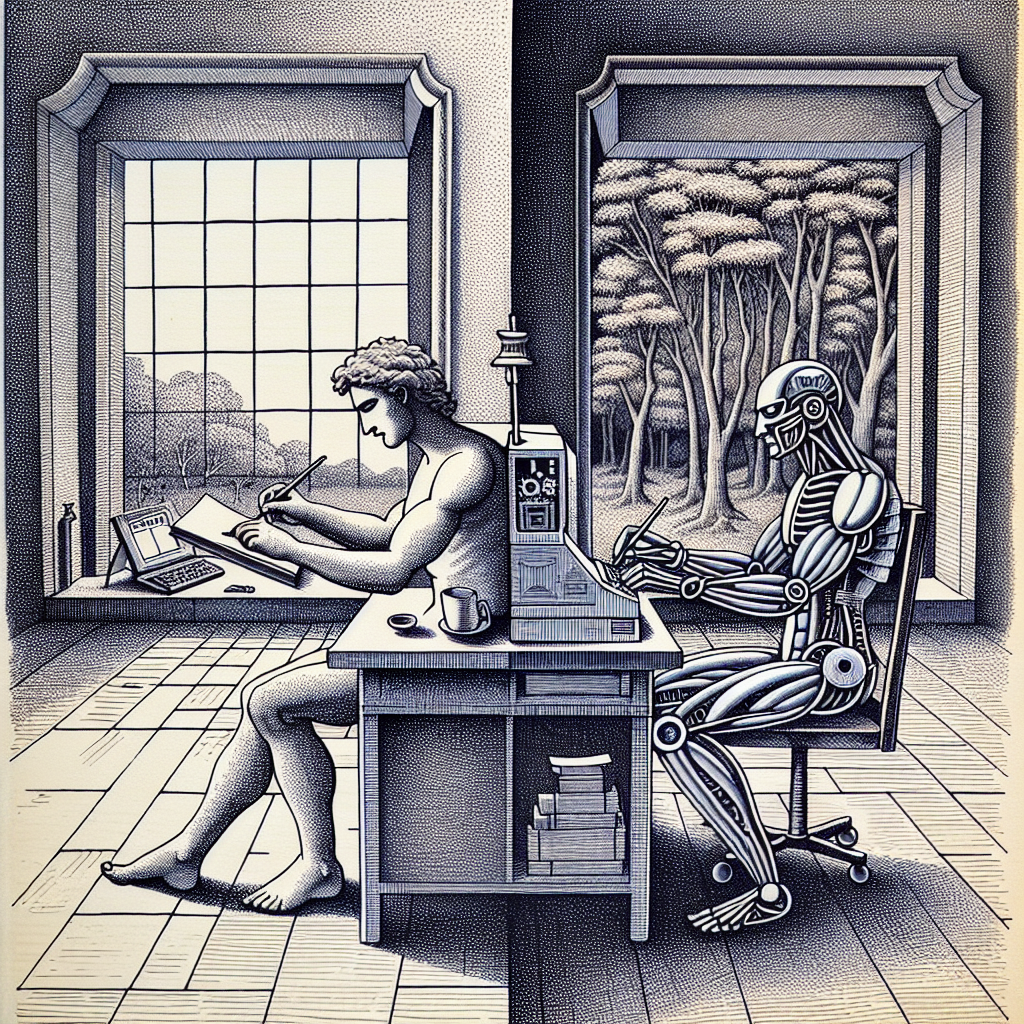
Claude vs ChatGPT for Creative Writing: The Ultimate AI Showdown

Setting the Stage for the Showdown
Imagine you’re cozying up with a cup of coffee, contemplating your next creative writing project. You feel the urge to explore the realms of AI, perhaps even thinking about tapping into tools like Claude and ChatGPT. Both of these powerhouses promise to enhance your writing process, but do they deliver in practice? That’s what we’re here to explore.
First Impressions: User Experience
When it comes to usability, both Claude and ChatGPT offer distinct vibes. Claude tends to prioritize a more conversational style, almost like chatting with a friend who happens to have a wealth of knowledge. The interface feels welcoming, perhaps even a tad playful. You might notice that Claude often leans into the nuances of conversations, capturing a more human-like touch.
On the flip side, ChatGPT feels robust and sophisticated, like a seasoned mentor ready to dissect your draft and inject it with wisdom. If you’ve ever used ChatGPT for brainstorming sessions, you’ll know that its ability to lay out structured ideas can often steer you in uncharted territories. It doesn’t just spit out information; it offers a refinement that can elevate your concepts.
The Creative Process: Inspiration and Output
As a writer, you often crave that spark of inspiration. Here’s where Claude shines like a beacon. Picture this: you type in a prompt, and within moments, Claude emerges with ideas that spin on the unconventional side. It brings a certain flair to the table — think quirky metaphors or unexpected social commentary that nudges you toward exploring deeper narratives.
Conversely, ChatGPT operates with a slightly different ethos. Its power lies in the vast reservoir of data it’s trained on. When searching for facts, historical references, or even character development techniques, ChatGPT serves as a wellspring of knowledge. The output can feel almost encyclopedic, allowing you to anchor your creativity in a rich context.
Fine-Tuning: Customization and Adaptability
On the other hand, ChatGPT’s adaptability shines when you prompt it clearly. For example, if you’re working on a dystopian theme, specifying your requirements can lead to responses that not only fit the genre but also align with your unique voice. However, hitting that sweet spot often requires a bit of trial and error, as it depends heavily on how specific your instructions are. It’s like finding the perfect amount of seasoning for your dish — a little too much, and you’re off, but just enough can lead to culinary success.
Collaboration versus Independence
One of the deeper questions you might ponder is whether you want a collaborative partner or an autonomous tools in your writing journey. Claude embodies collaboration; it thrives on dialogue and interaction. It’s almost as if it’s waiting for you to lead, and then it’s right there with you, ready to offer thoughtful suggestions.
ChatGPT, in its own right, tends to lean towards a more independent role. You can drop a prompt and walk away while it generates ideas, outlines, and drafts without needing to engage in a back-and-forth. This can feel liberating when you’re crunched for time, although some might miss the opportunity for a more nuanced collaboration that can arise with Claude.
Real World Use Cases: Which One Pair with Your Creativity?
Let’s ground this discussion with some practical examples. Suppose you’re tasked with writing a short story about a character stuck in a parallel universe. If you turned to Claude, you might find it weaving rich, character-driven contexts with a sprinkle of humor and emotional depth, allowing you to visualize the setting and tone based on your likes.
If you were to seek help from ChatGPT in this scenario, you might receive bullet-point outlines or various plot suggestions rooted in classic storytelling tropes. While it might not evoke the same emotional connection, it could still fuel your creativity by providing clarity around the plot structure and potential twists.
Final Thoughts: No Clear Winner
So, is there a definitive victor in this AI showdown for creative writing? Not quite. Both Claude and ChatGPT possess unique strengths that cater to different aspects of the writing journey. Whether you prefer a more human-like engagement or a structured, encyclopedic approach comes down to your personal style and needs. In the end, it could be worth experimenting with both to see how they align with your writing process, because sometimes, the best insights come from the combination of different tools. It’s like picking the right brush to paint your masterpiece — sometimes a mix creates the most vivid picture.