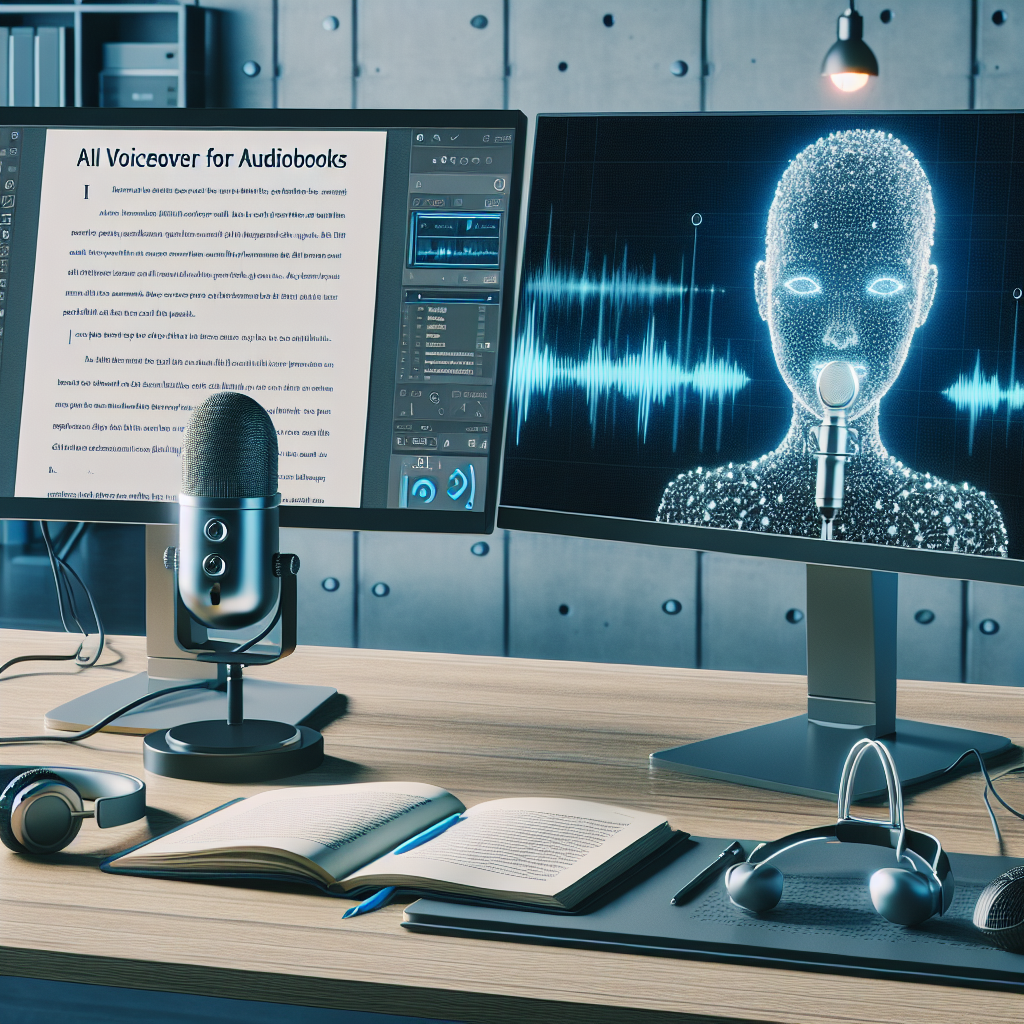
AI Voiceover for Audiobooks: Boost Engagement with Advanced Text-to-Speech Tools

Why Voiceover Matters in Audiobooks
Imagine this: you’re cozied up with a cup of coffee, ready to escape into the pages of your favorite novel. But instead of flipping through the book, you hit play on an audiobook. The voice you hear brings the characters to life, drawing you deeper into their world. This is the magic of voiceover in audiobooks, an art form that has evolved tremendously with the introduction of advanced text-to-speech tools.
Transforming Text into Emotion
Traditional reading often carries its own set of challenges. Picture a scenario where a gripping scene in a thriller novel is played out by a monotone narrator. You might find your attention drifting. However, with modern AI-powered voiceovers, the emotional depth of the text is captured beautifully. Take, for instance, the use of emotive tones and inflections in text-to-speech (TTS) tools. These advancements allow the narration to convey suspense, humor, or tension more effectively than ever before.
Let’s take my friend Sarah, who recently experimented with one such tool for a self-published memoir. She had always relied on traditional voiceover artists but was astonished at how her AI-generated narration added a layer of intimacy. The voice captured her mother’s warm tones while recounting childhood stories, creating a connection with listeners that she felt was hard to achieve otherwise.
Engaging Diverse Audiences
Engagement is one of the greatest challenges in the audiobook landscape. With a plethora of options available, creating unique listening experiences is crucial. Advanced TTS tools make it easier to tailor experiences to different audiences. For example, consider the ability to switch between various accents and dialects, allowing for a global reach. This can significantly enhance the relatability of the content. Pronunciation features can also cater to specific age groups, making books enjoyable for children and adults alike.
Imagine a children’s book narrated with playful accents and sounds. It hooks younger audiences like nothing else. This playful approach has proven effective, especially with parents who want to make storytime more engaging.
Personalization through Voice Selection
One of the standout features of modern voiceover technology is personalized voice selection. Users can select voices that fit specific characters or moods—from a gravelly detective to a bubbly teenager, there’s something for every narrative tone. This flexibility can dramatically increase listener retention as they become more invested in the characters they’re hearing.
To illustrate, consider a fictional publishing startup that decided to use AI-generated voiceovers for character-driven stories. With voice selection features, their writers had the freedom to explore unique character traits through narration alone. The result? Listeners were more engaged, often choosing stories based on their desired character experiences rather than the storylines themselves.
Accessibility Enhancements
Another captivating aspect of AI voiceover technology is its potential to enhance accessibility. For individuals with disabilities, audiobooks can be a lifeline, letting them experience literature that might be otherwise challenging. With TTS tools, not only can audiobooks become more readily available, but the quality and expressiveness of the voiceovers can also improve their overall experience.
In a case study involving a nonprofit organization dedicated to visually impaired individuals, a partnership with TTS technology led to the creation of an extensive library of audiobooks. The thoughtful integration of various voices increased listener satisfaction and made classics come to life in a way that felt new and exciting.
Real-world Success Stories
Voices aren’t just sounds; they’re the essence of storytelling. Major publishers have already begun to capitalize on this technology. For instance, a bestselling author recently transitioned from traditional narration to an AI-generated voice for their entire catalog. Listeners reported a greater sense of immersion and appreciated the ability to customize their listening experiences, illustrating just how beneficial this transition can be.
The bottom line? The future of audiobook narration lies in marrying technology with creativity. As these advanced tools continue to evolve, the experiences they offer will undoubtedly redefine how we engage with stories.
The Road Ahead
While AI voiceovers are already making waves, this is just the tip of the iceberg. We’re on the cusp of an era where the richness of human narration is combined with the agility and versatility of technology. Audiobook lovers should keep their ears open—there’s a compelling future ahead that’s ready to revolutionize how stories are told.