AI Script Writing for Documentaries: Guide & Best Practices

Understanding the Heartbeat of Documentary Storytelling
Documentary writing isn’t just about stating facts; it’s about telling stories that resonate. As I sat down with an old friend who’s an accomplished documentarian, we reminisced about the late-night brainstorming sessions that transformed a mundane subject into compelling narratives that tug at the heartstrings. This type of storytelling goes beyond facts, and it’s precisely where the art of AI script writing for documentaries can step in, adding a new dimension.
Why AI in Documentary Script Writing?
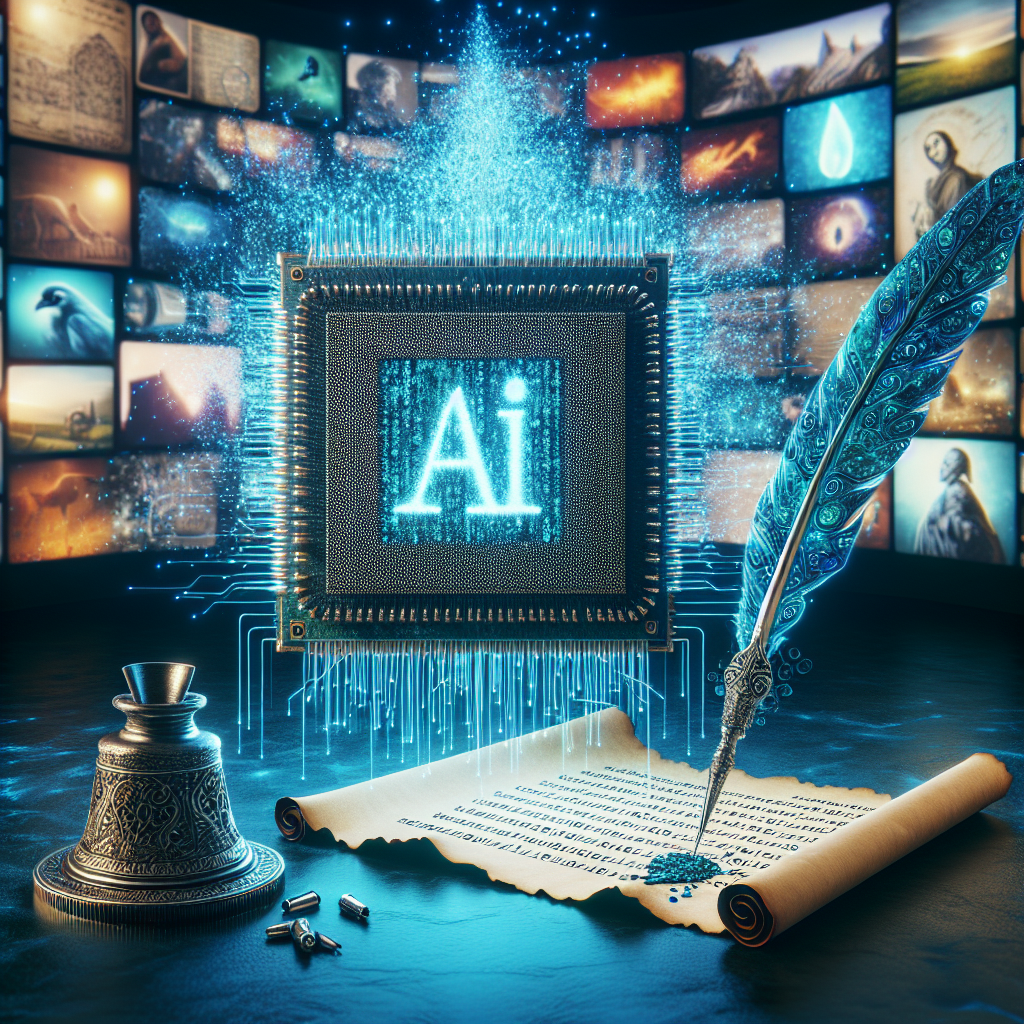
Think about your favorite documentaries. What drew you in? Stories told through a lens that feels personal, relatable. That’s where AI can lend a hand—not by replacing the human touch, but by enhancing it. Whether it’s gathering extensive research or crafting narrative structures, AI offers a treasure trove of assistance. With data AI can pull from vast archives, it helps streamline the narrative process, allowing creators more time to focus on the evocative aspects of storytelling.
Research Made Personal
Take a project I worked on about climate change. The sheer volume of data was staggering, but with AI, I was able to condense research into digestible segments. By employing tools that summarized information and even suggested narrative arcs, I had more breathing room to incorporate poignant anecdotes from local farmers impacted by shifting weather patterns. These stories added the human element that statistics alone could never convey.
The Structure of a Compelling Narrative
Creating a documentary script is a unique beast. Unlike traditional scripts, documentaries often weave together various storytelling methods—from interviews to archival footage. The key here is structure. AI tools can help map out timelines and connections, but it’s really the scriptwriter’s responsibility to ensure the narrative flows smoothly. Personal storytelling moments can break up dry statistics, and here’s where your own voice is crucial.
Characters Bring Data to Life
In one documentary, we followed a scientist who had dedicated decades to studying the effects of pollution in urban areas. Initially, the script leaned heavily on graphs and figures, which were undoubtedly informative but lacked an emotional hook. By integrating direct quotes and stories from the scientist—the late nights spent in labs and the personal stakes behind her research—we turned data into something relatable. That’s the magic of blending human experiences with factual content.
Using AI Tools Wisely
Believe me, the last thing you want is to let AI script writing tools overshadow your unique voice. The objective is partnership. While AI can help polishes and correct grammar, it can’t replace the candid emotion that drives documentary storytelling. Instead, think of AI assistance as a way to augment your skills—filling in research gaps or generating ideas, rather than dictating the story’s emotional core.
A Cautionary Tale
I once witnessed a project derailed due to over-reliance on AI. The creators wanted a quick turnaround and let an algorithm produce their initial draft. What emerged was a skeleton of a story—lacking the warmth and depth that comes from genuine human experience. They eventually scrapped it, opting to rewrite from scratch after realizing the need for authentic connections instead of mere information dumps. This is a reminder that while AI is powerful, it’s ultimately the human spirit that breathes life into stories.
Final Thoughts on Collaboration
In the realm of documentary script writing, AI tools can be your ally, but the true essence lies in collaboration. Recognize the strengths of AI while passionately asserting your storytelling voice. The audacious blend of technology and the human experience can yield documentaries that not only inform but also inspire. This dual harmony is what will keep your audience engaged and connected, long after the credits roll.