Top AI Tools for Non-Fiction Writers in 2026: Boost Research, Drafting & Editing

Understanding How Technology Can Transform Non-Fiction Writing
Ever been buried under piles of research papers, notes, and half-finished drafts? You’re not alone. Many non-fiction writers grapple with the challenge of transforming heaps of information into coherent narratives. The good news is that tools powered by artificial intelligence (AI) are stepping in to lighten that load. As we step into 2024, a plethora of AI resources are available, poised to streamline everything from initial research to final edits. Forget the myth that these tools will replace human creativity; instead, think of them as collaborators that enhance your writing prowess.
The Research Revolution: AI Tools at Your Fingertips
Imagine you’re writing a biography on an underrepresented historical figure. The sheer amount of data can be overwhelming, just like my experience searching for obscure facts about a distinct author for a project. That’s where AI-based research tools shine. Let’s explore a few that can make your writing journey smoother.
1. Semantic Scholar
This tool is invaluable for academic writers. Semantic Scholar employs AI to sift through mountains of academic papers, highlighting the most relevant studies based on your initial queries. I once needed to connect the dots between various sociological theories. With Semantic Scholar, I quickly accessed pivotal studies that enriched my narrative without losing a day to manual searches.
2. ResearchRabbit
Ever found yourself in a rabbit hole of citations and references? ResearchRabbit helps you explore a network of related research papers. Simply input a key article or two, and voilà! You receive a visual mapping of related work. During a personal project on digital media’s impact, this tool opened doors to unexpected connections that shaped my argument. It’s like having a well-connected assistant on your team.
Drafting Made Effortless
Once you’ve collected your research, the next hurdle is drafting. AI can turbocharge this phase, letting you focus on your voice and style rather than getting stuck on structure.
3. Jasper
Jasper is an AI writing assistant that helps generate ideas, outlines, and structured drafts. In my experience, using Jasper felt like brainstorming with a knowledgeable colleague. I often found that even when I had writer’s block, Jasper could spark ideas that led to fresh anecdotes or reorganized sections of my drafts.
4. Sudowrite
If you’re seeking a creative twist, Sudowrite offers a unique approach. It’s designed to assist with narrative flow and enhance prose. When drafting a memoir, I used Sudowrite to rephrase some passages, transforming flat sentences into evocative imagery. The tool doesn’t write for you; rather, it nudges you in a direction that feels authentic yet invigorated.
Editing: The Final Polishing Touch
Editing often feels like icing a cake—many are hesitant to tackle it, but it’s crucial to the final product. With AI tools, this task doesn’t have to be daunting.
5. Gramarly
Grammarly is a household name among writers for good reason. It not only catches grammatical errors but also offers style suggestions. I recall a time when I edited a publication’s manuscript that dripped with clever insights but lacked clarity. Using Grammarly helped transform convoluted sentences into clean prose, elevating the overall readability.
6. Hemingway Editor
This tool acts as your stylistic mentor. It highlights complex sentences, passive voice, and readability challenges. While drafting a non-fiction piece, I often receive feedback indicating that my writing tends to lean toward the intricate. The Hemingway Editor helped chop down overly verbose sections, making my ideas shine through simple, effective language. If flow and brevity are your goals, this one’s a winner.
Embracing AI as Your Writing Partner
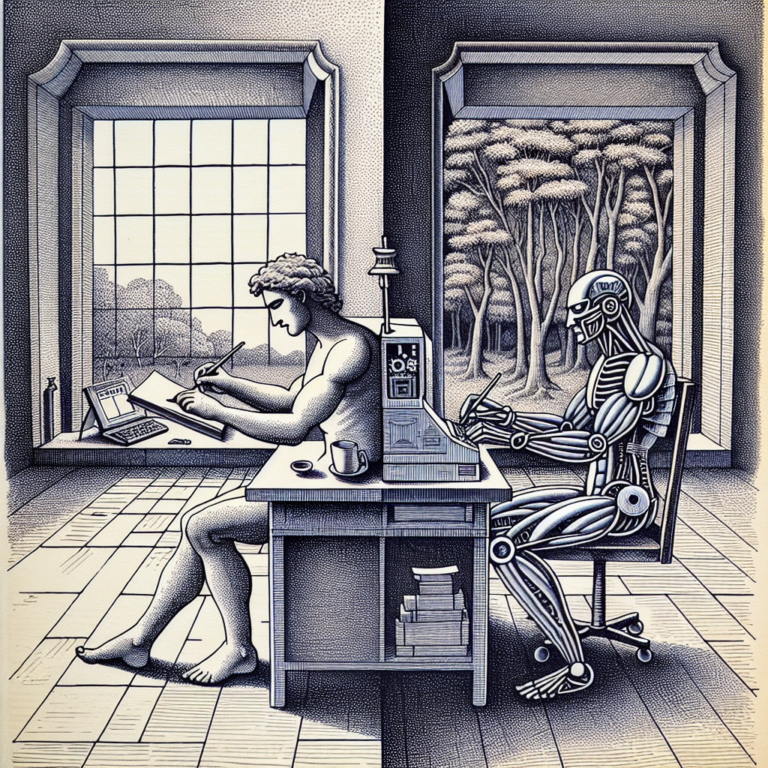
The integration of AI into the writing process is like welcoming a wise friend into your creative workspace. Instead of fearing that these AI tools will overshadow your voice, embrace them as allies. They’re here to assist at a time when we all could use an extra set of hands (or algorithms) to help sift through the noise. The options available in 2024 are just the beginning, with continuous improvements and innovations cropping up all the time.
Whether you’re drafting meticulously structured academic articles or entertaining memoirs, these tools can provide the necessary support to cut through the chaos of modern writing. And trust me, surprised though you may be at their capabilities, they won’t replace your unique insights and perspectives. That’s the secret sauce that no AI can replicate.