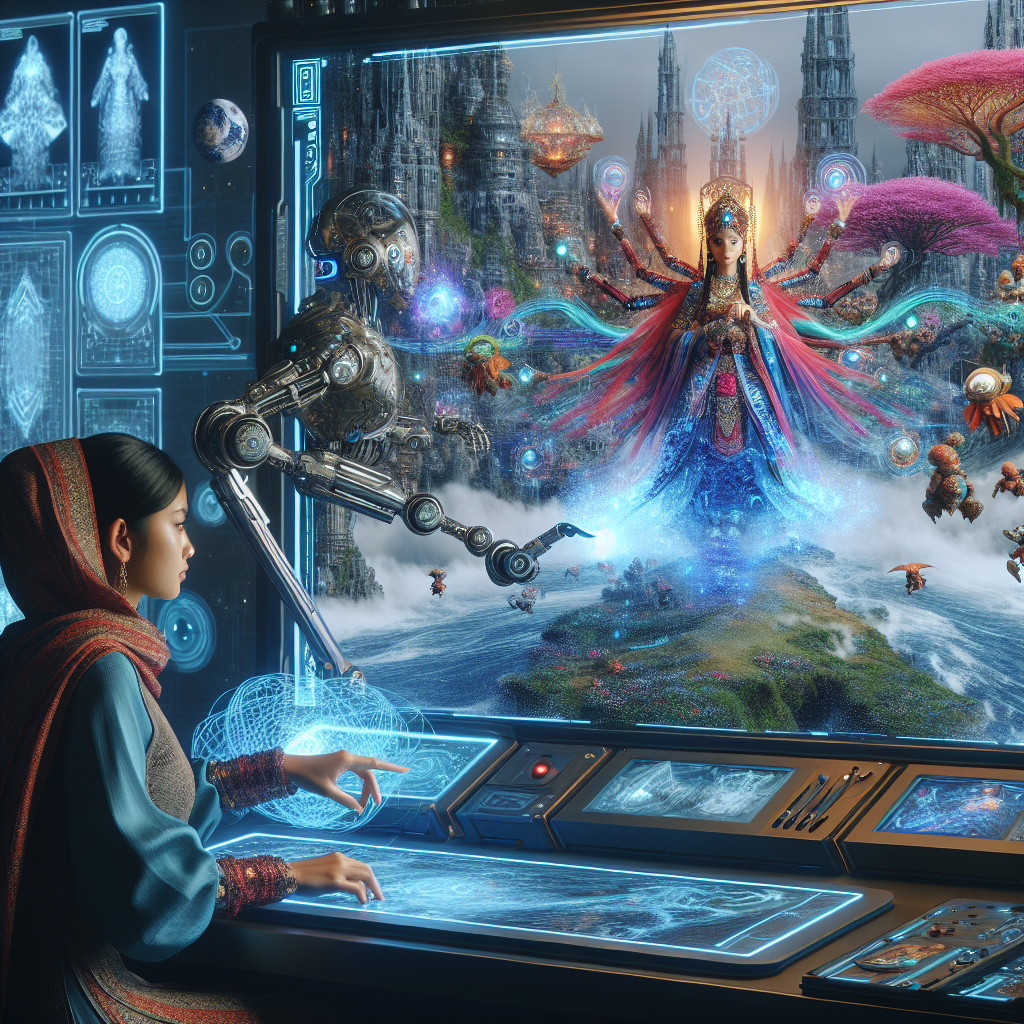
AI-Assisted World Building: The Ultimate Guide to Crafting Immersive Fiction

Understanding AI in the Realm of World-Building
Picture this: you’re nestled in your favorite writing nook, fingers poised over the keyboard, ready to breathe life into a universe of your own making. The possibilities are endless, but with endless possibilities comes the burden of decision-making. Enter AI: not as a replacement for creativity but as an empowering companion. This technology can streamline your process, offering inspiration and solutions that might never have crossed your mind. But how exactly does AI fit into this imaginative endeavor?
Coming from a background in creative writing, I remember distinctly the days I spent grappling with establishing the rules of my fictional worlds. It was a heavy weight to bear—navigating geography, history, cultures, and technology required an ocean of thought and a sea of revisions. AI provides a fresh perspective here, helping to structure and develop intricate details that can turn a vague concept into a rich, intricate setting.
Crafting Cultures with AI Insights
One of the most vibrant aspects of world-building lies in the creation of cultures. Imagine creating a civilization—not just their language and attire, but their beliefs, rituals, and daily lives. AI can assist in generating ideas that reflect real-world sociocultural dynamics. For example, utilizing data from anthropological studies, AI algorithms can suggest cultural traits that add authenticity to your fiction.
Say you’re developing a society that values communal living deeply, perhaps influenced by ancient tribes. You can ask AI for examples of similar structures in actual indigenous cultures. This step ensures your world feels grounded. One of my fiction projects involved crafting a culture centered around a harvest festival, which celebration blends customs from various historical groups I researched with AI help. Without that tech-assisted exploration, it might’ve looked generic. But the AI-led insights brought depth and believability.
Designing Landscapes and Geography
Visual landscapes enhance storytelling, but how do you keep them consistent throughout your narrative? While sketching maps can spark creativity, maintaining a geographical coherence can be challenging for many writers. This is where AI can pull through, even offering software that generates detailed maps based on user-defined parameters.
Consider an aspiring author who wants a mountainous area with lush forests and bustling river valleys. AI tools can not only generate beautifully detailed maps but also recommend flora and fauna typical to such regions. By incorporating this into my own writing at one stage, I turned a drifted landscape into a vibrant ecosystem, teeming with life. It was like having a co-pilot in a journey of imagination, revealing places I hadn’t even thought to explore.
Character Development Through AI
Characters are often the lifeblood of any narrative, and getting their traits and backstories right can make or break a story. AI isn’t just for world-building; it’s an excellent tool for character development, too. Through analysis of compelling narratives, AI can help you flesh out characters, suggesting personality traits, motivations, and even flaws. This aspect can create more relatable or chameleon-like characters—those who evolve as the plot thickens.
For my project featuring a rebellious protagonist, I utilized AI to craft a multi-dimensional character arc. The AI suggested inner conflicts reflecting real-world dilemmas, making her struggles resonate more with readers. I ended up with a character who didn’t just react to events; she grew, learned, and transformed in ways both unpredictable and engaging.
Generating Conflict and Plot Points
You might be wondering how AI fits into the creation of intrigue and conflict. Those dramatic moments that keep readers turning pages are often the most challenging to conceptualize. AI can analyze patterns in successful narratives, offering conflict scenarios tailored to your characters and setting. It’s like having your literary critique partner who’s read countless bestselling novels.
For instance, I faced difficulty in plotting a climax that felt fresh. While brainstorming with AI, it generated potential scenarios developing from previous character decisions and societal structures I had established. The result was a twist that flipped the narrative on its head, catching both me and readers off guard in the best way possible.
Integrating AI Ethically and Creatively
However, it’s essential to tread carefully when incorporating AI into your creative process. Authenticity should always reign supreme; don’t let the tech overshadow your unique voice. Use AI as a supplement, not a crutch. Balancing creativity with technology can lead to worlds that both reflect human experience and explore profound themes without losing a personal touch.
A Personal Call to Adventure
Embracing an AI-assisted method of world-building revolutionized my writing journey. It opened doors I didn’t know existed and enhanced aspects of my stories that once felt daunting. So, if you’re a writer craving to expand your horizons, don’t shy away from exploring what AI has to offer. Combine it with your imagination, and the next world you craft could be the masterpiece you never thought you’d write.
So grab that keyboard or pen, and start shaping your universe—because there’s a wealth of stories nestled in the folds of your mind, just waiting for the right tools to bring them to life.