AI Children’s Book Illustration Prompts: 20 Creative Ideas for Storybook Art

Let Imagination Run Wild
When it comes to illustrating children’s books, the art isn’t just about depicting what’s on the page; it’s about breathing life into the story. One of my fondest memories as a child was losing myself in the vibrant illustrations of picture books that spoke as loudly as the words themselves. Those illustrations didn’t just complement the story; they were windows into whimsical worlds, filled with unique characters and untold adventures. Here, I’ve gathered 20 creative illustrations prompts that can spark innovative ideas for artists diving into the realm of children’s literature.
1. Whimsical Trees with Character
Imagine a tree with a personality. One that dances in the wind, dips its branches to hug the children playing beneath it, or has a bird that’s a little too chatty. Rather than a standard tree, think of what it would be like if the bark had faces, each unique to different seasons. Stories often start in ordinary settings, but these quirky characteristics can bring them to life.
2. Magical Beast Companions
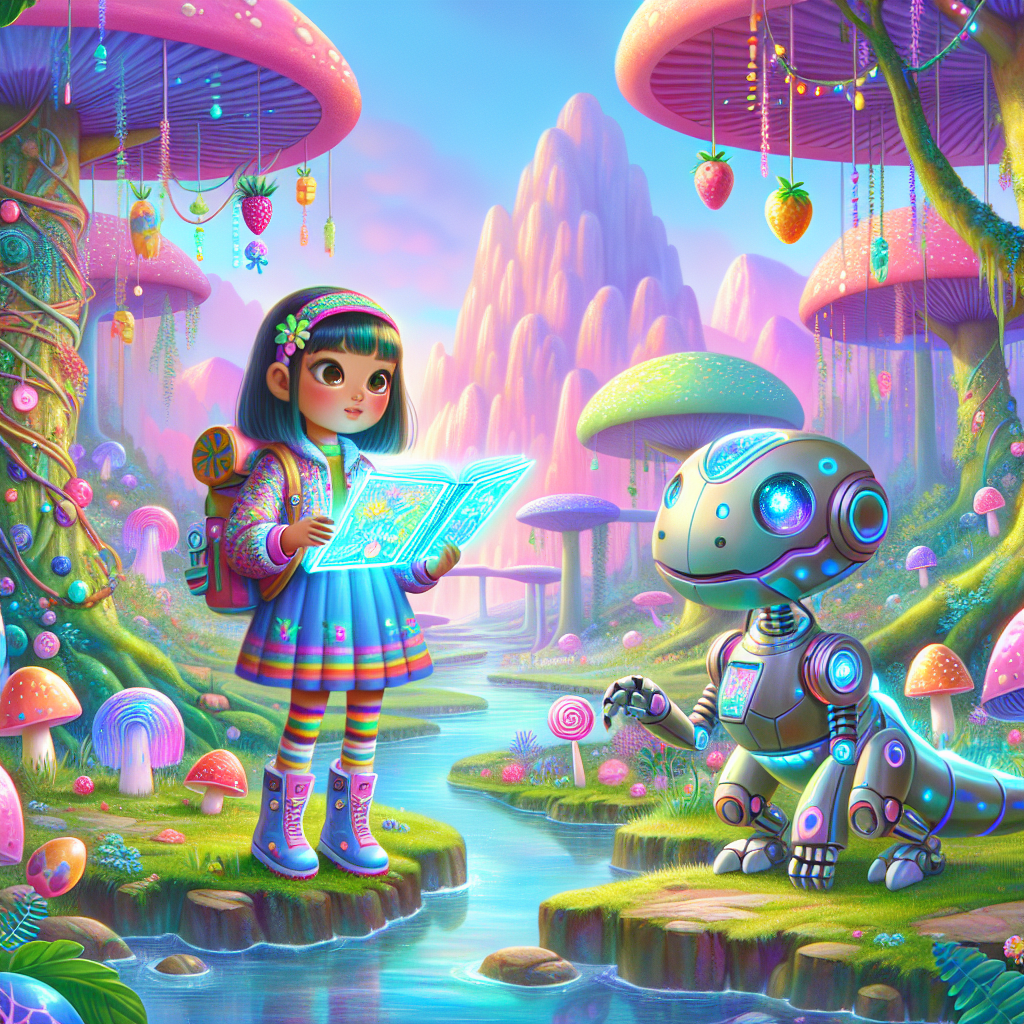
Every child dreams of having a pet that’s not just furry or scaly, but truly unique. Let’s consider a creature that’s a mix between a dragon and a kitten—small, playful, and breathing out clouds of sparkly smoke instead of flames. Picture how that creature affects the child’s adventures. This prompt allows for the exploration of loyalty, magic, and bravery.
3. Adventures in Upside-Down Land
Take storytelling literally and flip the world around. What if children find themselves in a world where everything is upside down? Houses hang from clouds, and the ground is a sea of colorful balloons. Such a scenario can lead to humor and unusual challenges, prompting kids to think outside the box when approaching problems.
4. Time-Traveling Friends
Accidental time travel is a classic setup that can result in chaotic and funny situations. An illustration can present a modern-day child meeting dinosaurs, or a young artist sketching cavemen with a smartphone in hand. Blending the old with the new can jog further creativity about our past and what the future could hold.
5. Seasons of Emotions
Instead of the usual representation of seasons through landscapes, consider depicting emotions as seasonal changes. For instance, happiness could be illustrated as a bright summer day teeming with sunflowers, while sadness might resemble a rainy autumn afternoon with leaves falling. This could serve as a vital springboard to discuss feelings with children.
6. The Journey of a Single Raindrop
Follow a raindrop as it journeys from a fluffy cloud to a stream. This isn’t just the poetics of nature; it can highlight the different environments it morphs through—silent hilltops, bustling streets, serene lakes. This prompt allows budding artists to explore varied landscapes while telling the simple but profound story of nature’s cycle.
7. Secret Life of Everyday Objects
What if your favorite lamp could sing or a clock danced beneath the moonlight? The charm of anthropomorphizing mundane objects opens doors to storytelling where the magic of ordinary life is uncovered. This could also be a social commentary on the value of creativity in the seemingly mundane.
8. A Garden of Dreams
Consider a garden where children plant their dreams rather than flowers. Every time a seed is watered, something magical happens. Through illustrations, show how the dreams bloom into fantastical realms or characters, exploring the concept of nurturing aspirations. This brings an engaging layer to storytelling, teaching kids the importance of believing in their dreams.
9. The Night Animals’ Festival
What happens when the moon rises? Perhaps a whole festival awakens for night creatures. From owls wearing party hats to foxes pirouetting under the stars, illustrations would bring out a world that’s vibrant and full of life, inviting the reader to glimpse the unseen wonder in a darkened world.
10. Mapping an Imagination Trip
An illustrated journey on a child’s scribbled map could lead to extraordinary lands: Candy Mountain, Treehouse Kingdom, or Bubble Forest. Each stop on the map can be depicted with varying color schemes and styles that reflect the mood of that magical place, showing how imagination can shape reality.
11. Collision of Two Worlds
Visualize a scene where the ocean meets a desert—a gigantic wave bringing tropical fish to sandy shores. This clash can create fascinating visual contrasts, with colors and textures mingling. It invites exploration about the coexistence of different environments and can lead to discussions about unity in diversity.
12. A Day in the Life of a Shadow
What does a shadow think about its life? This prompt can create an interesting narrative exploring themes of identity and invisibility. Illustrated adventures could show the shadow playing, getting lost, or even exploring how it influences the world around it. The narrative can delve deep into self-acceptance.
13. The Lost Art of Storytelling
Imagine a village where stories are bought, not told. The contrast between colorful art depicting stories and the dull, gray villagers who only read for factual information can create tension. Artists capturing this theme can push forward discussions about creativity, art, and the essence of storytelling as a fundamental human experience.
14. Dream Architects
What if dreams were built like houses? Illustrate dream architects working at night to create the dreams people would experience when they sleep. The scenes could show architects wearing funny outfits—perhaps hats made of stars or capes of clouds—putting their magical tools to use.
15. The Wonders of a Mobile Library
Picture a whimsical vehicle filled with books, floating through the skies, dropping stories above towns. Each scene can be illustrated with different stories dramatically affecting communities, planting seeds of curiosity, and inspiring people to learn from each other.
16. An Underwater School
Consider a school beneath the waves, where fish, mermaids, and other sea creatures learn together. Illustrate classrooms out of coral, with seaweed as desks and dolphins playing the role of teachers. This not only invites creativity but can also teach kids about marine life, cooperation, and learning in diversity.
17. The Colors of Music
What if music had colors? Each melody could become an explosion of vibrant shades. Illustrations depicting a child experiencing various musical styles transforming into swirling patterns and shapes can serve as an inspiration towards appreciating both art and music.
18. Heroes Wearing Capes from Dreams
Heroes don’t always wear capes, but imagine a scenario where children create their own from their dreams. Each illustrated character could feature capes that reflect their unique aspirations, with visuals highlighting both their quirks and superpowers gained through following their dreams.
19. Adventures of a Lost Sock
A tale centered on a wayward sock can uncover a whole realm of imaginative scenarios, from its unexpected travels through laundromats to meeting other lost items. Illustrating the journey can lead to humor while touching on themes of belonging and friendship in unexpected contexts.
20. The Lighthouse that Guides Stars
What if a lighthouse did more than guide ships? Instead, it helped stars find their way back home. Each illustration could showcase different starry visitors, creating enchanting visuals that marry maritime charm with celestial wonder, enhancing the significance of guidance and friendship in a cosmic setting.
These prompts aren’t just random sparks; they’re doorways into deeper conversations and explorations within stories. Drawing inspiration from a variety of themes can fuel creativity in both artists and the young readers they aim to captivate. Each unique illustration can leave a lasting impression, making the story not just read, but felt.