Future of AI in Creative Writing: Trends, Tools & Impact on Storytelling

The Shift in Creative Landscapes
The intersection of artificial intelligence and creative writing isn’t just a flashy trend—it’s a seismic shift transforming how stories are crafted and shared. Not too long ago, I attended a local writers’ meet-up where the buzz was all about AI. One participant casually mentioned using AI to generate character arcs and plot twists, sparking a lively debate on the authenticity of such creations. This conversation highlighted how writers are beginning to embrace AI not just as a tool, but as a collaborator. It got me thinking: where do we draw the line between human creativity and machine capabilities?
Embracing New Tools
One of the standout tools gaining traction is OpenAI’s ChatGPT. When I first played around with it, I was struck by how it could suggest a range of character motivations based on just a few initial parameters. For instance, I prompted it with a basic premise about two rival chefs in a small town. Within seconds, the AI laid out potential backstories, emotional stakes, and even conflict options that I hadn’t considered. What previously felt like a solitary endeavor now seemed more like a partnership, where AI provided fresh insights that sparked my creativity.
But let’s not sugarcoat it. There’s an undeniable tension in using such technology. While AI can churn out ideas at lightning speed, it lacks the human experience—the little nuances that breathe life into characters. A line of dialogue generated by an AI might be clever, but does it carry the weight of lived experience? This is something we, as writers, will always have to uphold.
Exploring Creative Boundaries
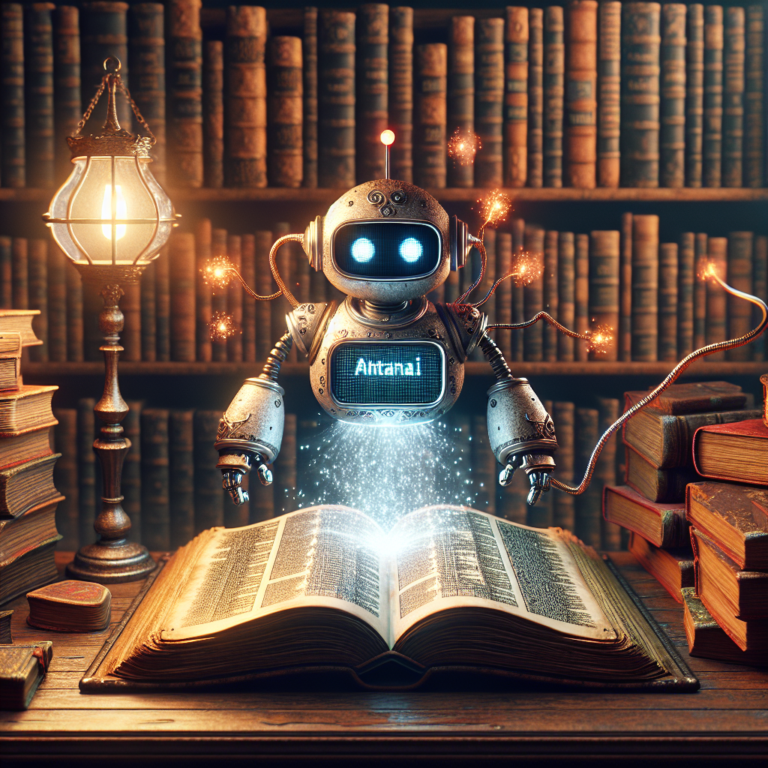
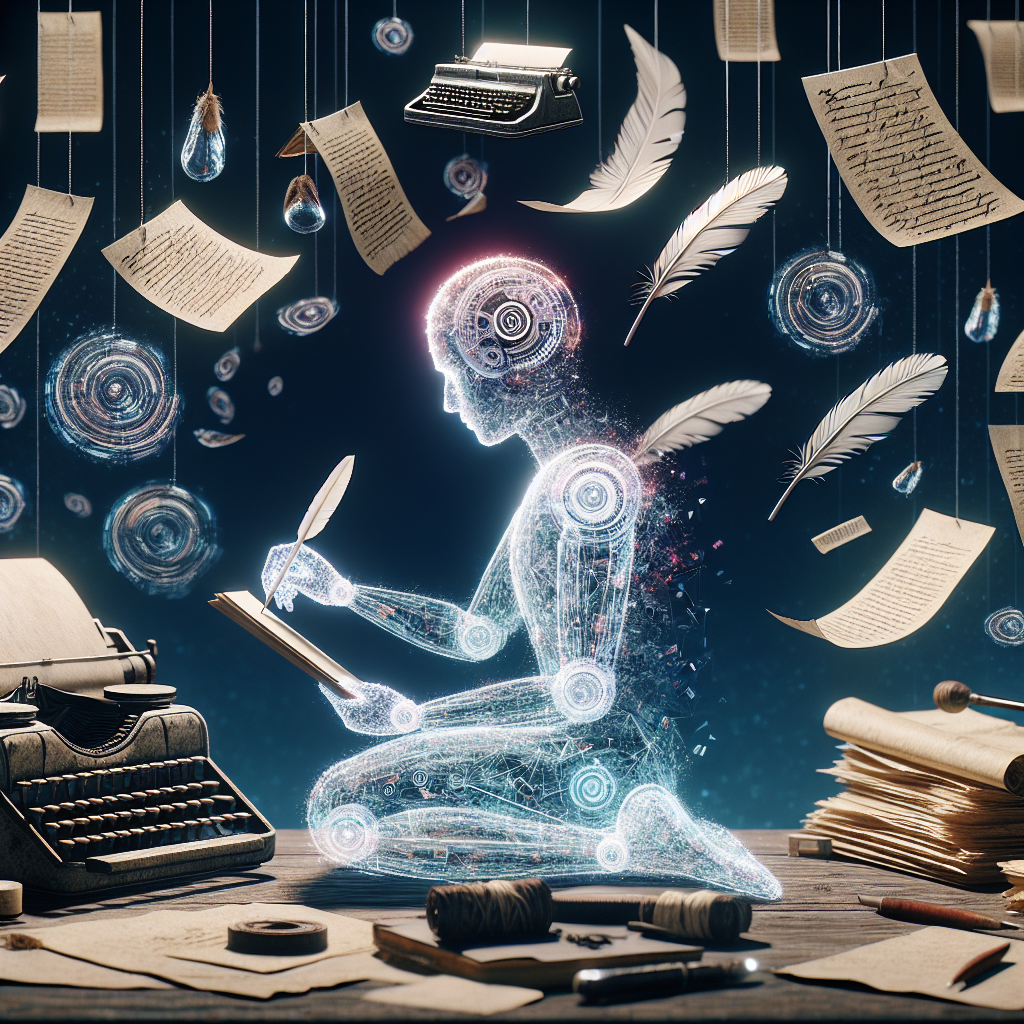
At the heart of this evolution lies an intriguing question: how far can we push the boundaries of creativity? Writers are already blending traditional storytelling methods with AI-generated content. Imagine a novel that intertwines chapters penned by a human with segments crafted by an AI, each bringing its unique perspective. The results could be astonishing. A notable case is the collaboration between the artist Robbie Ashworth and an AI model, which led to the creation of the “Cthulhu” narrative—an amalgamation of human horror and machine-generated imagination.
This kind of hybrid creativity forces us to rethink not just the process of writing but also the essence of storytelling itself. Are we now crafting narratives in a way akin to jazz musicians improvising ons-stage, where the allure lies in spontaneous collaboration?
Ethical Complexities
Of course, navigating this terrain isn’t without its complications. As we embrace AI tools, ethical dilemmas inevitably surface regarding plagiarism, originality, and authorship. Who owns the output when an AI generates a compelling storyline from vast datasets? A heated discussion arose when a well-known publisher announced plans to integrate AI-generated content into their catalog. Critics balked, insisting that such moves could dilute the human element of storytelling. It’s a genuine concern worth dissecting. After all, what is a story if not an intimate glimpse into the human experience?
The Impact on Future Storytellers
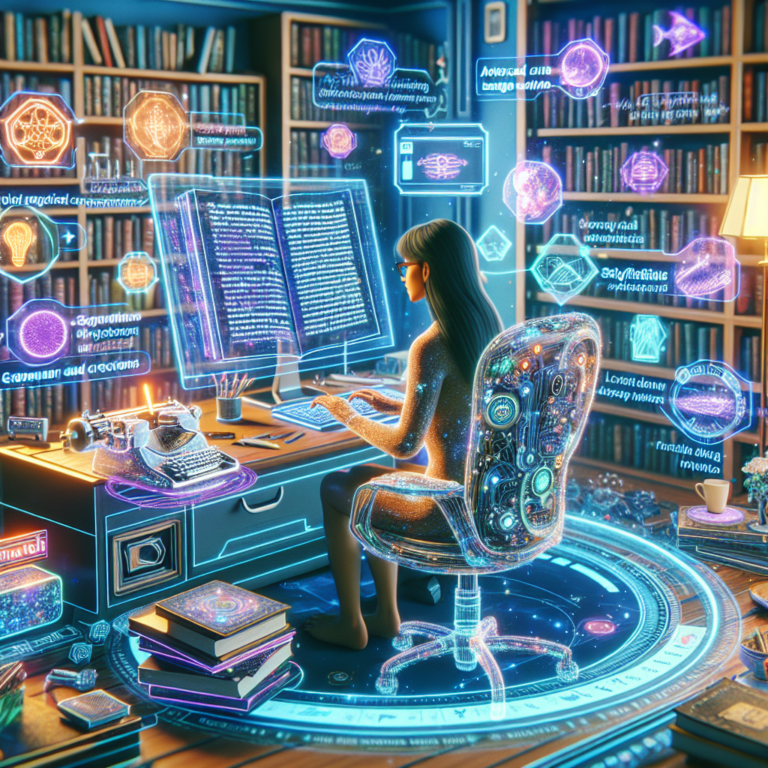
Interestingly, the rise of AI could democratize creative writing. Aspiring authors might find that they can overcome initial writer’s block by using AI as a brainstorming tool. It lowers barriers, allowing those who might have previously felt intimidated by the writing process to find their voice. Imagine a teenager plugging away at a short story, using AI to refine dialogue or set the stage. The outcome? More diverse narratives and untold stories that might never have surfaced in a traditional setting.
Moreover, AI could enable a new wave of storytelling formats, such as interactive narratives where readers influence the direction of a story through simple choices. Think of a “Choose Your Own Adventure” book, but with an AI that dynamically adapts to reader preferences, creating a personalized journey with each interaction. The reader becomes an active participant, not merely a passive consumer.
Conclusion or Just the Beginning?
As we forge ahead, the landscape of creative writing stands on the brink of a new era. The potential for AI in storytelling is as exciting as it is intricate, and it beckons us to explore realms where collaboration between human and machine creativity flourishes. The challenge lies not in resisting this technological wave but embracing it while preserving the essence of what makes storytelling profoundly human. So, whether you’re a seasoned writer or just starting, take heart: the future of storytelling isn’t just about AI. It’s about how we choose to weave our tales, embracing technology as a supportive ally in our creative journeys.